
The Bank Policy Institute (BPI) is a nonpartisan public policy, research and advocacy group, representing the nation’s leading banks. Our members include universal banks, regional banks and the major foreign banks doing business in the United States. Collectively, they employ almost 2 million Americans, make 72% of all loans and nearly half of the nation’s small business loans and serve as an engine for financial innovation and economic growth. Our staff includes economists, researchers, financial analysts and attorneys, all focused on using data and analysis to shape sound policy. We distribute our research and analysis to U.S. and global regulators, members of Congress, academics and media through academic-quality research papers, blog posts, white papers, comment letters, and Congressional testimony. We also serve our members through our Business-Innovation-Technology-Security division (better known as BITS), which provides an executive level forum to discuss and promote current and emerging technology, foster innovation, reduce fraud and improve cybersecurity and risk management practices for the nation’s financial sector. We take as a given that the business of banking is the business of taking and managing risk. BPI aims to shape policy to allow the nation’s leading banks to best serve their customers and fulfill their vital economic role while holding sufficient capital and liquidity to ensure that the risks they take are borne by their shareholders and creditors, not the taxpayer.
We're tracking Bank Policy Institute's market expansion
How Bank Policy Institute's international expansion compares to its competitors
 Bank Policy InstituteYou
Bars show relative size across the companies compared.
Columns5| Company | Markets | New markets | Momentum | Activity | Expansion score |
|---|---|---|---|---|---|
 Bank Policy InstituteYou | 0 | 0 | — | 0 | 0 |
Vice President, Digital Director
View postingWashington, DC · last yr.
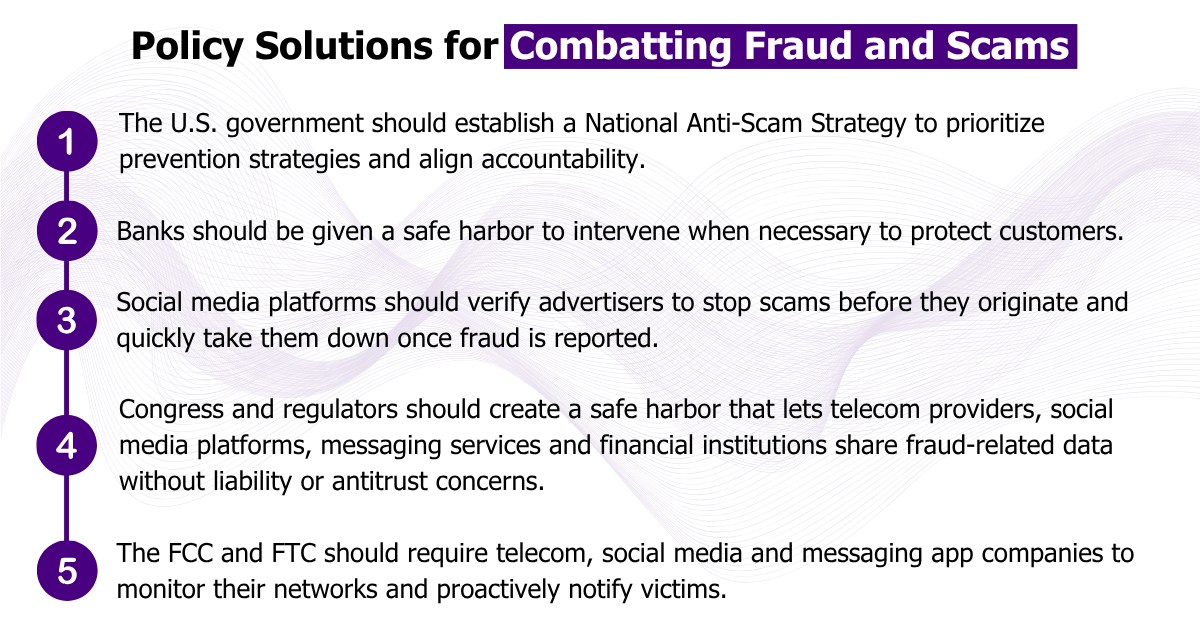
Read our recommendations to Congress >>
Active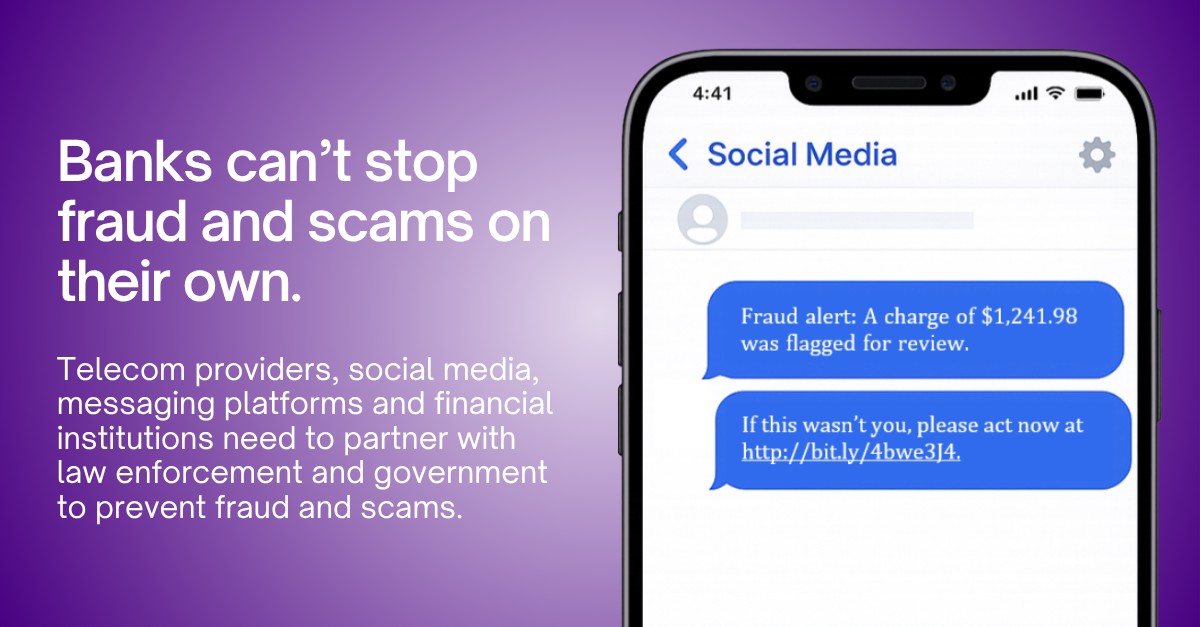
Read the policy solutions >>
Active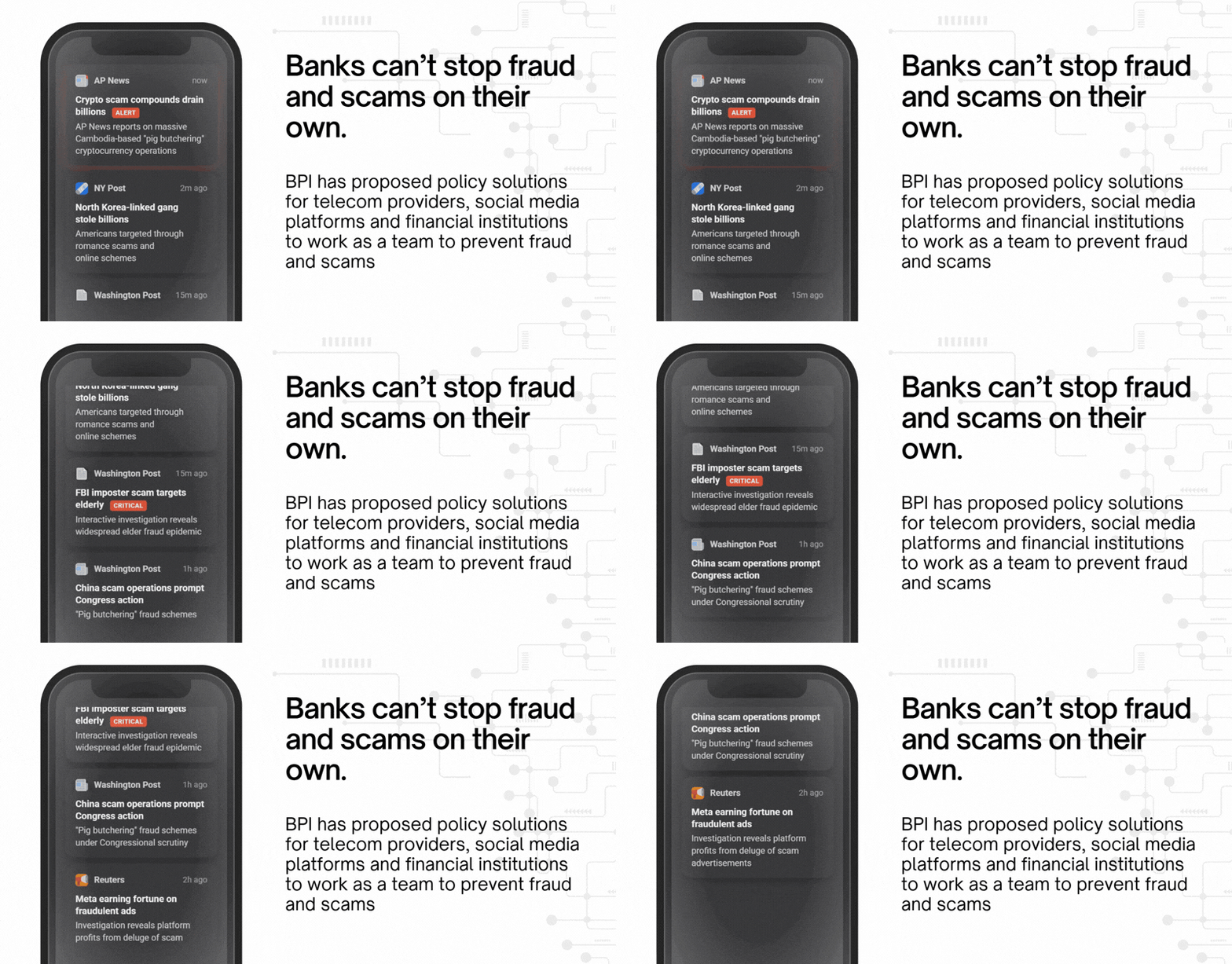
Read more >>
ActiveUS banks warn of loophole in stablecoin interest ban, allowing indirect payments. They fear $6.6 trillion in deposits could leave traditional finance.
OCC sees spike in digital asset bank charter applications, with 14 in 2025 and several in 2026, as fintech firms seek national trust charters for crypto services.
House Financial Services Subcommittee hearing examined modernizing Bank Secrecy Act anti-money laundering rules to address AI-driven fraud, synthetic identities, and crypto infrastructure while debating reporting volume versus intelligence quality.
Unlock verified emails & direct dials
Free · No credit card needed
Quick answers about Bank Policy Institute's business, markets, and growth signals.
Pubrio glocalizes business, people, and intent data from 50+ local sources into one global graph, giving AI and revenue teams full‑market visibility.
© 2026 Pubrio. All rights reserved.