
The Royal Society is the world's oldest scientific academy in continuous existence, and has been at the forefront of enquiry and discovery since its foundation in 1660. The backbone of the Society is its Fellowship of the most eminent scientists of the day, elected by peer review for life and entitled to use FRS after their name. There are currently more than 60 Nobel Laureates amongst the Society's approximately 1400 Fellows and Foreign Members. Throughout its history, the Society has promoted excellence in science through its Fellowship and Foreign Membership, which has included Isaac Newton, Charles Darwin, Ernest Rutherford, Albert Einstein, Dorothy Hodgkin, Francis Crick, James Watson and Stephen Hawking. The Society is independent of government, as it has been throughout its existence, by virtue of its Royal Charters. In 1663, The Royal Society of London for the Improvement of Natural Knowledge was granted its Arms and adopted the motto "Nullius in verba", an expression of its enduring commitment to empirical evidence as the basis of knowledge about the natural world. The Society's activities include influencing science and education policy, funding leading researchers, publishing journals that span all the sciences and the history of science, and the provision of science communication activities for a variety of public audiences.
We're tracking The Royal Society's market expansion
How The Royal Society's international expansion compares to its competitors
 The Royal SocietyYou
Bars show relative size across the companies compared.
Columns5| Company | Markets | New markets | Momentum | Activity | Expansion score |
|---|---|---|---|---|---|
 The Royal SocietyYou | 0 | 0 | — | 0 | 0 |
Not hiring right now
Sign up to track this company and get alerted the moment something changes.
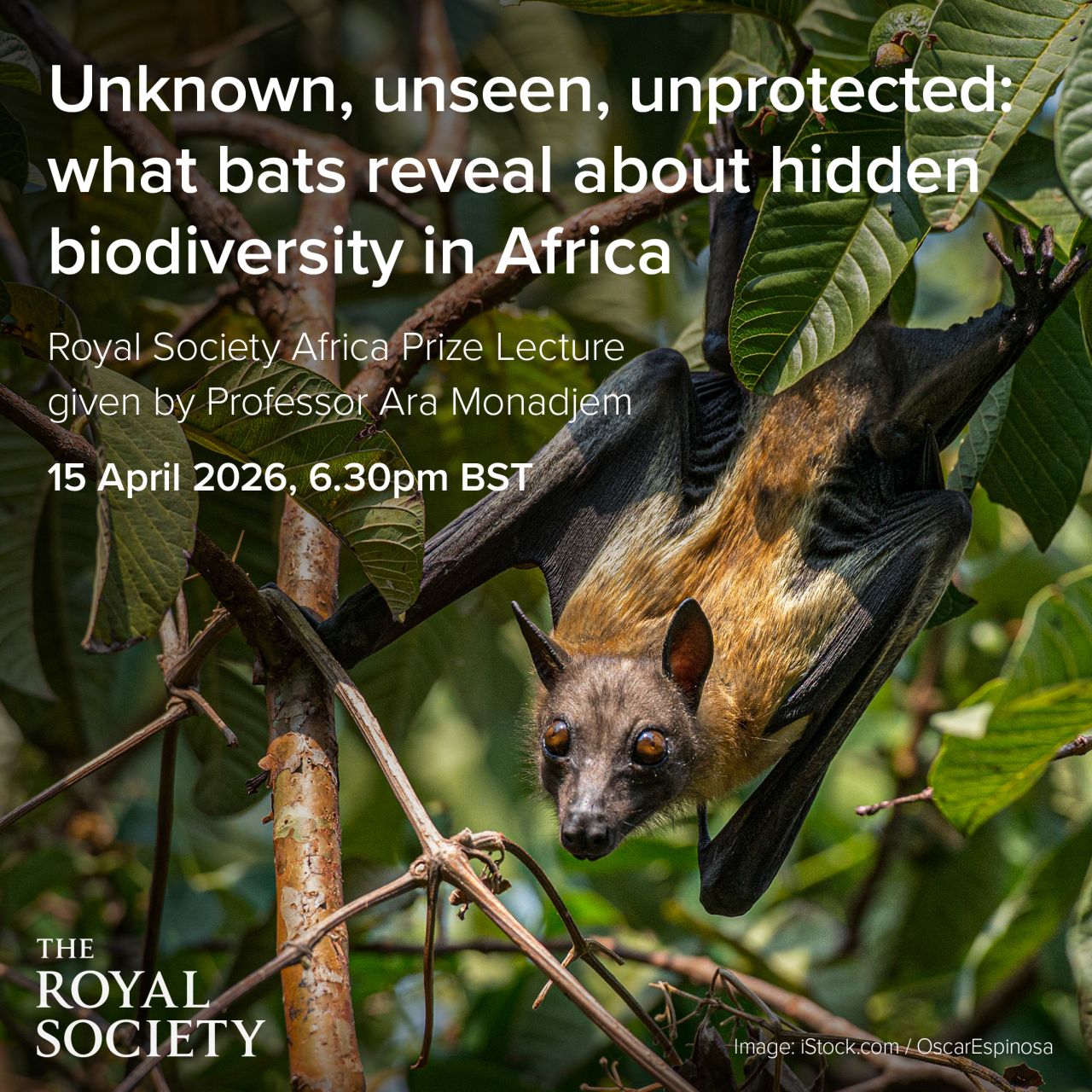
15 April 2026 | Royal Society
Active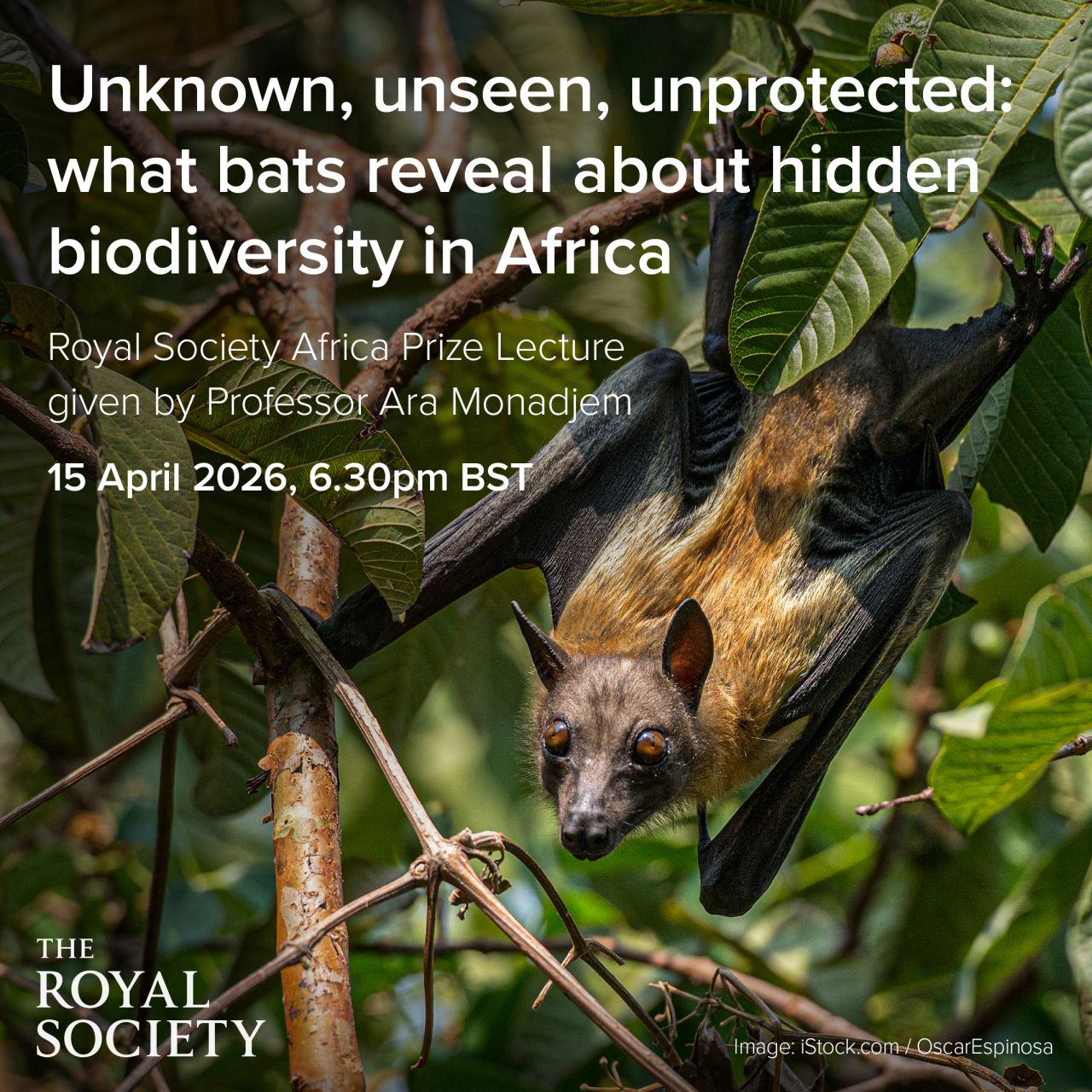
Royal Society | Africa Prize Lecture
Active
Unknown, Unseen, Unprotected: What bats reveal about hidden biodiversity in Africa
ActiveAI-powered audio monitors are being used to track endangered species in remote areas, aiding conservation efforts and revealing ecosystem health.
Dr. Ravigadevi Sambanthamurthi becomes the first Malaysian scientist elected as a Fellow of the Royal Society, a prestigious global science academy.
RSPO's annual conference discusses sustainable solutions for palm oil industry, focusing on smallholder inclusion, technology adoption, and measurable impact.
Unlock verified emails & direct dials
Free · No credit card needed
Quick answers about The Royal Society's business, markets, and growth signals.
Pubrio glocalizes business, people, and intent data from 50+ local sources into one global graph, giving AI and revenue teams full‑market visibility.
© 2026 Pubrio. All rights reserved.