
APAC B2B ABM: Orchestrating Account-Based Wins
B2B growth in APAC is powered by advanced Account-Based Marketing and integrated go-to-market teams. Discover how analytics, personalization, and disciplined team orchestration turn top targets into customers—at enterprise scale.


The New ABM Playbook for APAC: Outperforming with Alignment, Data, and Precision
In Asia-Pacific’s B2B sector, standard campaigns don’t close high-value accounts anymore. Teams at the forefront are embracing ABM not as a one-off tactic, but as a synchronized process—uniting marketing, sales, leadership, and analytics around each individual target. Success means orchestrating a tailored buyer experience, leveraging local insights, and establishing agile feedback loops across the pipeline.
The ABM journey starts with relentless focus on targeting. Leading APAC organizations move far beyond surface-level attributes—they combine human-verified firmographics with intent data, technographic signals, and market triggers (from expansion announcements to new leadership hires). Advanced practitioners employ cross-functional workshops to define their “Tier 1” accounts, ensuring buy-in across regions and business units. Field marketers and sales leaders collaborate on high-impact account plans that list division-level influencers, known pain points, and preferred channels.
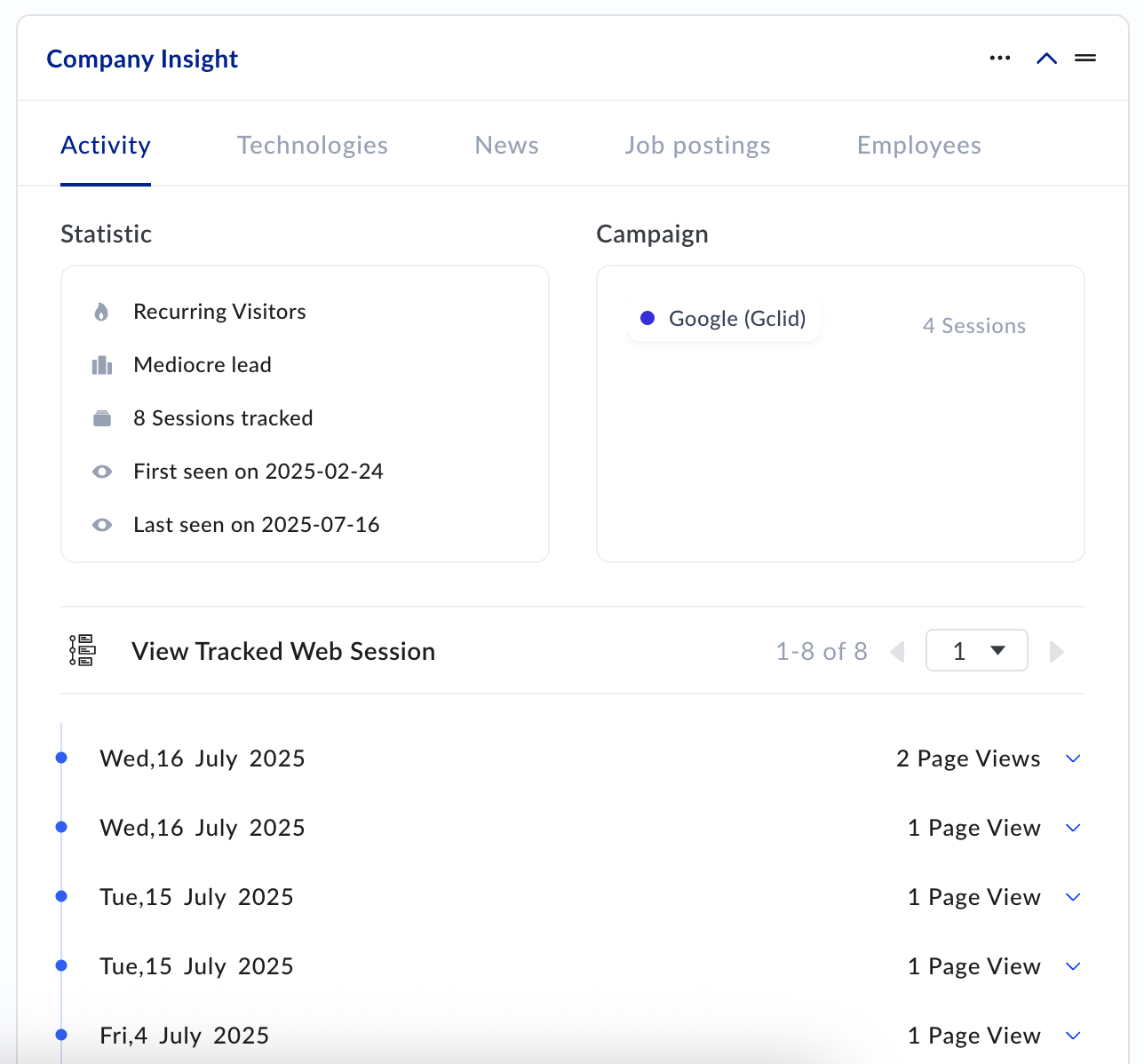
Account-level personalization goes deep—bespoke value propositions, regionally adapted content, and outreach sequencing mapped to local decision cycles. Competitive intelligence is refreshed regularly so teams can anticipate objections and align their offer closely with account priorities.
Orchestrated Plays: Cross-Functional Execution
ABM success hinges on disciplined orchestration. High-performing teams in APAC run “plays” where everyone—sales, marketing, execs—are assigned distinct roles and outcomes for each account pursuit. A typical cadence might look like:
- Marketing deploys personalized content and event invites calibrated to key decision moments.
- Account managers drive executive call prep and coordinate technical discovery sessions.
- Sales enablement supports with tailored case libraries and diagnostic tools.
- Leadership steps in for high-stakes touchpoints (e.g., custom value workshops, C-level dinners).
Every play is monitored for engagement signals—content shares, meeting attendance, follow-up requests—so the next step is always informed by real buyer behavior.
Measurement That Drives Improvement
What sets advanced ABM apart is the analytic rigor behind each campaign. Metrics go well beyond open and click rates, focusing on:
- Account engagement depth (tiered by buying group, not just individuals)
- Opportunity creation and progression
- Conversion rates at each play (e.g., meeting-to-pipeline, pipeline-to-close)
- Deal velocity vs. historical benchmarks
- Feedback from field teams on message resonance and competitive dynamics
Analytics drives a culture of continuous learning. Regular retrospectives dig into both wins and losses, surfacing market nuances so personalization continually improves.
How Top APAC Teams Run ABM Reviews
- What buyer behaviors correlated with acceleration or stall?
- Which account plays delivered best-in-class ROI?
- Where did localization make the difference (channel, messaging, resource)?
- Which signals triggered successful executive engagement?
Leadership Alignment and Market Results
Effective ABM in APAC depends on the visible, ongoing alignment of senior leaders. Executives attend key account reviews, sponsor top pursuits, and commit resources to remove friction at critical deal stages. This shows prospects a united front and speeds internal decision-making—essential in the region’s fast-moving competitive environment.
This approach has delivered measurable results: increased penetration into target verticals, higher conversion with “must-win” accounts, and sharply improved forecasting accuracy.